Insights from Andy
Andy's analysis on lift performance, maintenance tenders and lifecycle planning — trained on the MAPLE framework, reviewed by our lift consultants.
Each piece comes out of the work MAPLE Ascent does day to day: sizing lift groups before a building's core is fixed, taking maintenance agreements to market, and measuring availability across live portfolios. Where the guidance rests on published engineering, it names the source — ISO 8100-32, CIBSE Guide D, the PCA Office Quality Grade Matrix — so you can follow the reasoning and check it, rather than take it on trust.

More insights
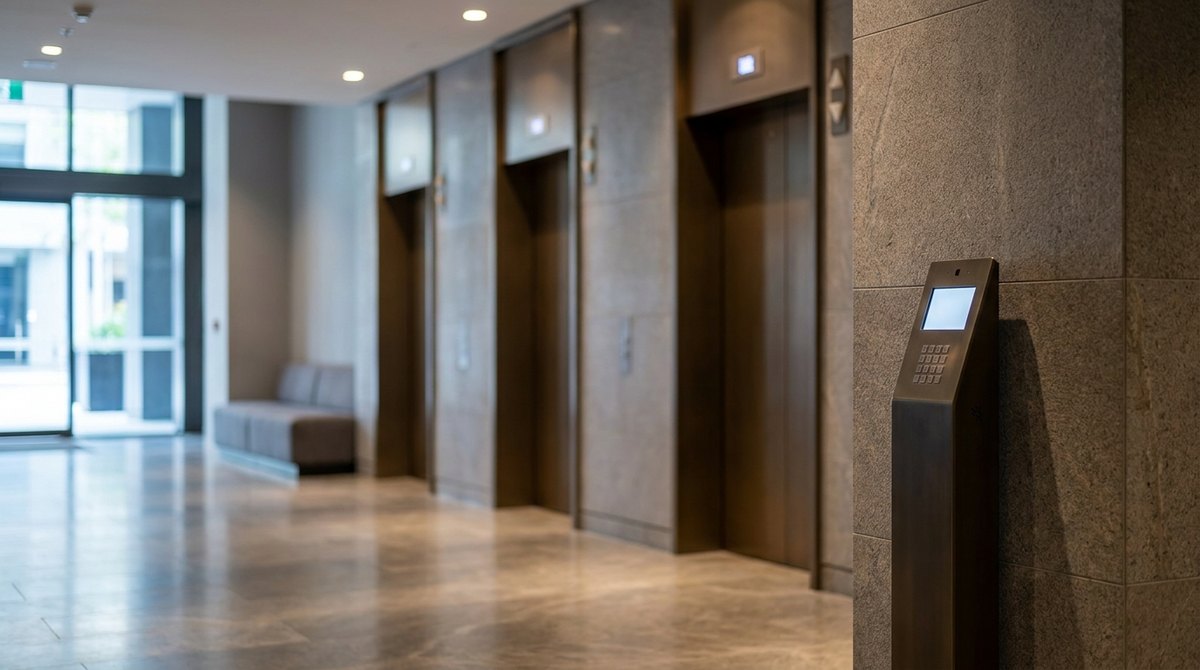
Destination control vs conventional dispatch: what changes for tenants
How destination control differs from conventional collective control, what tenants actually notice about the change, where each approach wins, and what to ask for at design stage — for developers and building managers.
 11 August 2026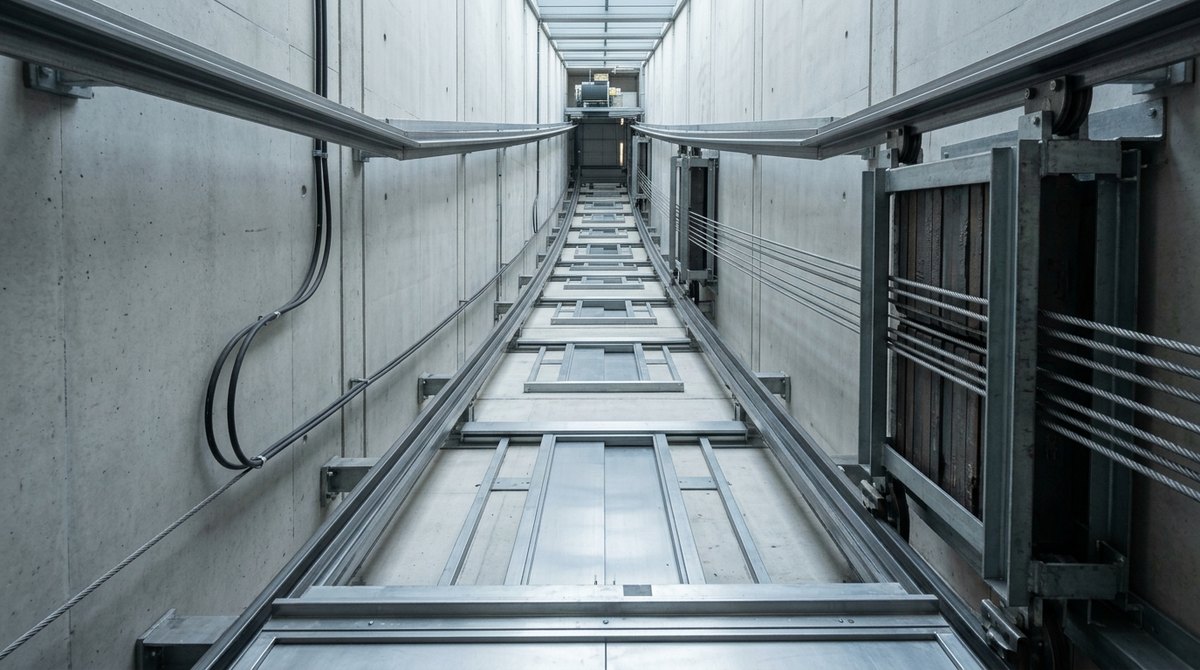
What is a lift condition assessment, and when do you need one?
What a lift condition assessment examines, how subsystem ratings are derived and why methods differ, and how the findings become a defensible capital plan — for facilities managers and owners.
4 August 2026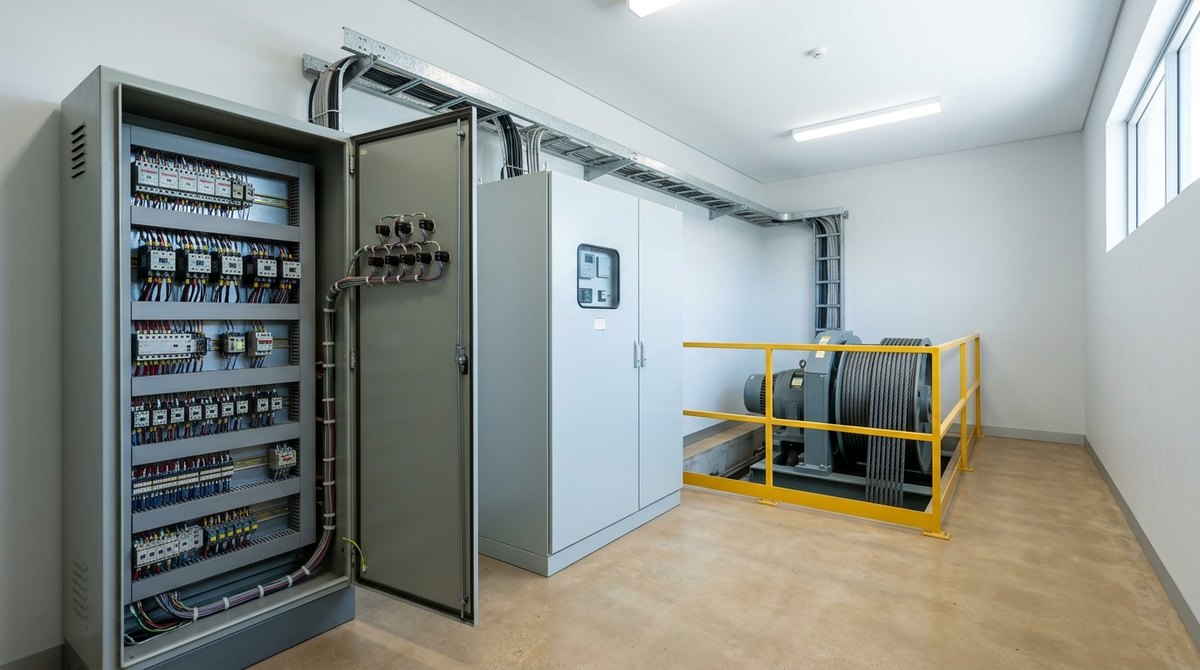
Lift modernisation vs replacement: how to decide
Modernisation renews selected subsystems; replacement renews the whole lift. The decision usually turns on obsolescence rather than wear. A framework across condition, obsolescence, disruption and capital — and how to place your own building on it.
28 July 2026
How much energy do lifts and escalators use?
Lift energy consumption explained: running versus standby energy, what each modernisation technology step actually saves, and how ISO 25745 turns it into an energy class and a payback period.
22 July 2026
What does a lift maintenance contract actually cover?
What a lift maintenance contract actually covers — comprehensive versus basic scope, the exclusions that generate the extras, and the clauses that quietly decide cost and risk. A guide for building owners and asset managers.
21 July 2026
How to run a lift maintenance tender in Australia
Lift maintenance tenders in Australia — when to tender, what to prepare, how the process runs and the pitfalls to avoid, for building owners and managers.
30 June 2026
What is good lift availability? A benchmark guide
What lift availability means, what counts as good, and how to hold a contractor to it — a plain-language benchmark guide for building owners and asset managers.
23 June 2026
How many lifts does a building need?
Lift traffic analysis explained — waiting time, handling capacity and demand profiles, benchmarked against PCA, CIBSE Guide D and ISO 8100-32.
12 June 2026